Tbilisi, Georgia · Available worldwide · Since 2020

I design the product, and the pipeline from Figma to code.

AI-native product design for SaaS and e-commerce teams. Machine-readable design systems, Figma-to-code pipelines, and one human gate before anything ships. One designer, a team's throughput.

Book a call

A design team used to be four people and six weeks.

Now it is one designer, a system a machine can read, and agents that assemble the rest. Tokens, components with props and slots, and the rules of what good looks like are written down once, so screens and pages get built from them instead of redrawn every time.

I keep the calls a machine can't make: what the product should feel like, which of forty options is the right one, and when it is done. Everything else runs on the pipeline.

Selected work

Shipped, not mocked.

Shots (7)

Every shot, with the process behind it, is on Dribbble.

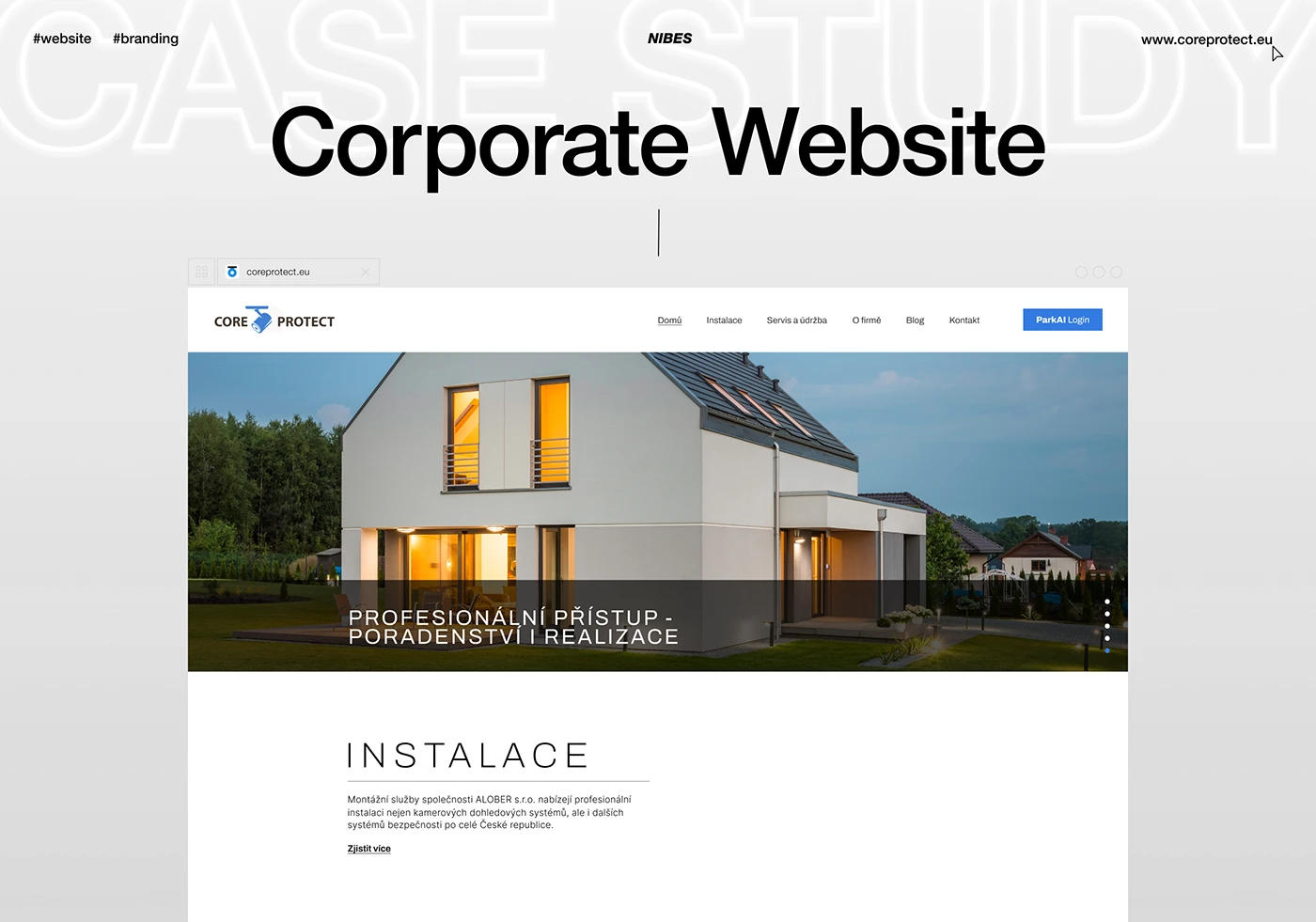
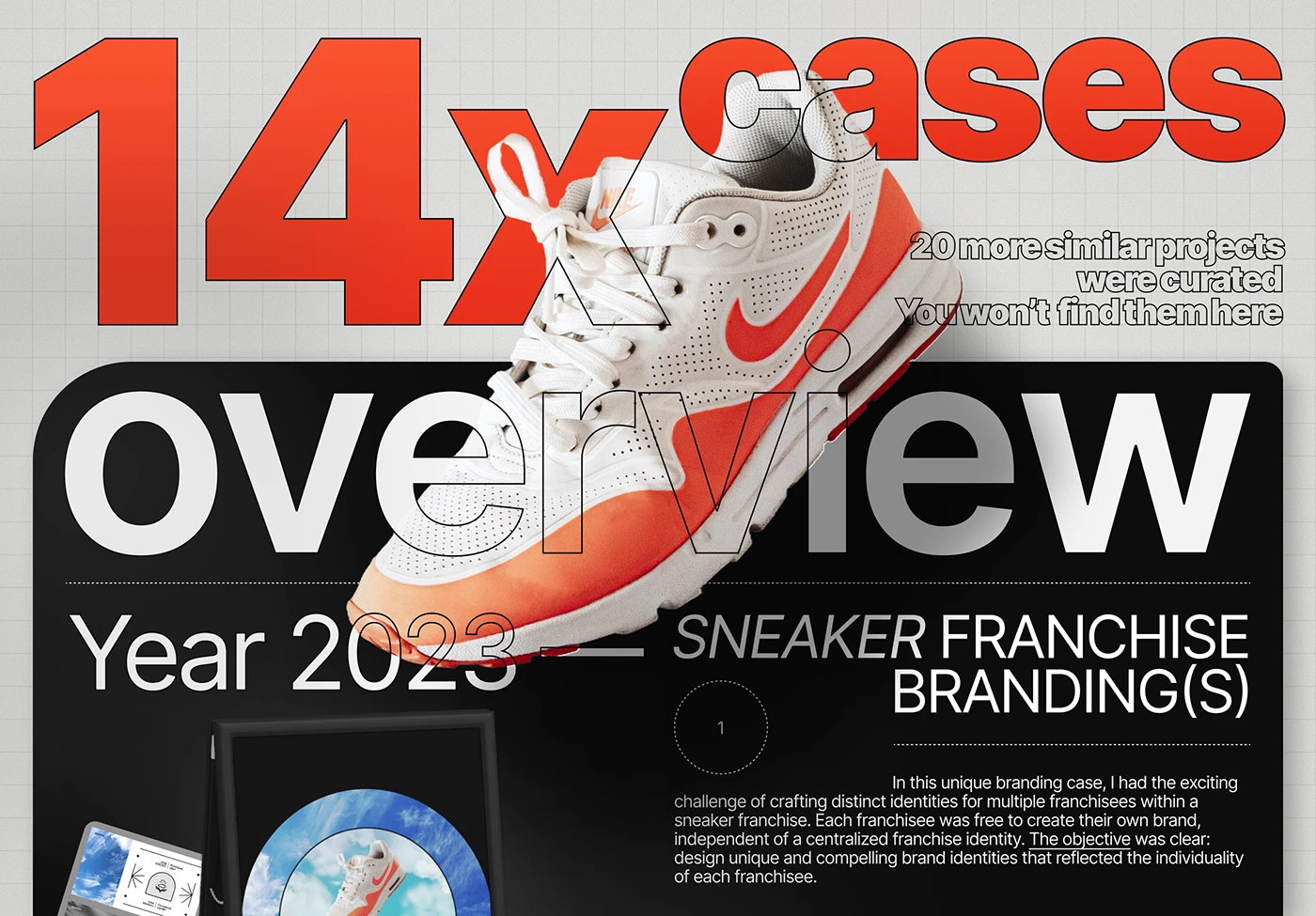
Case studies (2)

Five years of shipping products, from early MVPs to token systems a whole dev team builds from. At VideoPoint the token system cut idea-to-production from weeks to days.

15+

products shipped

40+

brand identities

5+

years in product design

Five things I ship.

Product UI

Feature-rich product screens.

Dashboards, configuration, multi-state flows, merchant apps. Clarity inside density, built against a component registry so what you approve is what gets built.

  • SaaS and Shopify merchant apps
  • Mantine, Polaris, or your own system
  • Dev-ready screens, not concepts

Design systems

A system a machine can read.

Tokens, Figma variables, components with props and slots, documented so developers and agents build from the same source. One system across app, widget and site.

  • Colour, type, spacing and radius scales
  • Component APIs and usage rules
  • Adopted by the dev team, measured by lead time

Design pipelines

Figma to code, with the judgment written down.

Claude Code skills that carry the rules of your product, deterministic checks for tokens, contrast and geometry, and one human gate. Most production UI gets assembled; I own the part that isn't.

  • Figma to working screens, not handoff files
  • Reusable rules instead of repeated reviews
  • Research synthesis and reporting agents

Marketing sites

Pages built to a conversion bar.

Landing pages and sites that are measured, not admired. Built in code, not in a site builder, with the same type and colour system as the product.

  • Landing pages, product sites, tool pages
  • Analytics and session replay wired in
  • SEO and semantic structure from the start

UX research

Insight that changes the roadmap.

Session replays, interviews, journey maps and jobs-to-be-done. Insight docs written to be acted on, and pipelines that keep the monitoring running after the study ends.

  • Sentry and Clarity session analysis
  • Interviews and JTBD framing
  • Churn and activation monitoring

How a project runs.

01

Brief lock

One page: who reads it, the sentence they should think in three seconds, the one action, and what is already fixed. Nothing is designed before it exists.

02

System first

Tokens, type roles, components. Machine-readable before the first screen, so every screen after it is derived, not invented.

03

Assemble

Screens and pages get built from the system by agents running the rules. I make the calls: direction, the right option, done or not.

04

One gate

Every batch passes deterministic checks, then one human review: mine, then yours. Then it ships to your codebase.

Free tool

Your design system, scored.

Paste a URL. The X-Ray renders the page, reads every style the browser actually applied and counts what the design system consists of: colours, spacing, type, radii, shadows. Then it proposes the shortest token list that covers all of it.

Why it matters. Every value typed by hand is a decision nobody made: five greys that are one grey, 53 spacing values where ten would do. That is why the same button takes a week to change. The X-Ray puts a number on it and hands you the token scale that fixes it, without changing how the page looks.

Run X-Ray

Runs in your browser, nothing is stored, no sign-up. You get a ready :root block and a migration map.

X-Ray resultSaaS homepage, Sept 2026

15257

hard-coded values on the page, and the tokens that cover them all

Spacing 53→10Colour 46→31Type 23→9Shadow 17→3Radius 13→4

Who is behind it.

Nick Besiedin, product designer in Tbilisi. Five years across SaaS, AdTech and e-commerce. Now at LifeOS; before that VideoPoint, Advision Digital, Centum-D, and fifteen-plus startups as a freelancer. Since 2025 design here runs the AI-native way: the system is machine-readable, agents do the assembly, and the taste stays human.

Time zone: Tbilisi is GMT+4, a full working day with Europe and mornings with the US East Coast. Portfolio also as a PDF.

Let's build the system that ships your product.

Book a call

or write to nick.besiedin@gmail.com. I read every brief myself and answer within 24 hours.